

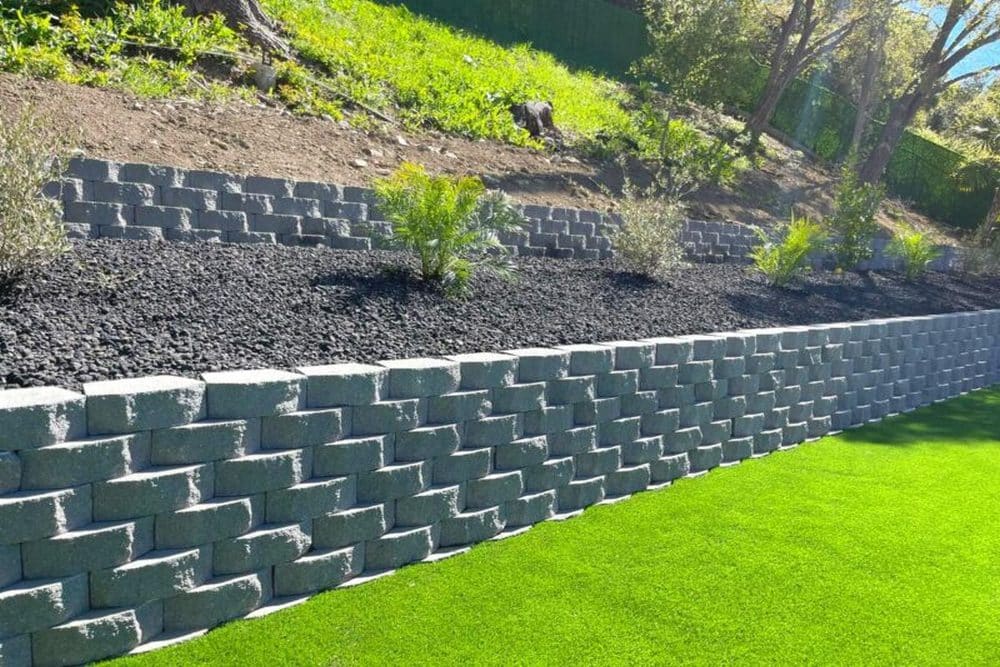
A retaining wall is not just a visual upgrade, it plays a critical role in protecting your property and controlling soil movement. When you decide to build one, you’re taking on a structure that must withstand pressure from soil, water, and gravity every single day. This is why working with a professional matters from the very beginning. A qualified contractor starts by understanding your property’s layout, slope, and soil conditions so the wall is designed to perform, not just look good. You want a wall that blends into your outdoor space while quietly doing the heavy lifting behind the scenes. Without professional planning, even a well-intended project can turn into a costly repair when cracks, shifting, or drainage issues appear sooner than expected.
Site Evaluation and Engineering Come First
Before any excavation begins, a professional evaluates your site in detail. You benefit from a clear assessment of soil type, slope angle, load requirements, and nearby structures that could affect the wall’s stability. These factors determine the wall’s height, thickness, reinforcement needs, and material selection. Engineering considerations are especially important for taller walls or those supporting significant weight. When these details are overlooked, pressure builds unevenly behind the wall, leading to bulging or leaning over time. A professional ensures the design accounts for long-term performance, not just immediate appearance. This upfront evaluation sets the foundation for everything that follows and helps prevent structural failure down the road.
Excavation and Base Preparation Set the Foundation
Once the design is established, proper excavation becomes the next critical step. You need more than a shallow trench to safely support a retaining wall. Professionals excavate to the correct depth and width to accommodate a stable base that distributes weight evenly. Base preparation involves compacted gravel or engineered materials that prevent settling and shifting. If this step is rushed or skipped, the wall may sink unevenly, causing cracks or separation between blocks. You might not notice these issues right away, but over time, they compromise the wall’s integrity. A properly prepared base ensures the wall stays level and secure, even as soil conditions change with weather and use.
Drainage and Precise Leveling Protect the Structure
Water is one of the biggest threats to a retaining wall, which is why drainage installation is essential. Professionals install drainage systems behind the wall to relieve pressure caused by water buildup. Without this, moisture exerts pressure on the structure, increasing the risk of cracking or collapse. Precise leveling during construction also plays a major role in long-term stability. Each layer must be aligned accurately to maintain strength and visual balance. When leveling is inconsistent, stress concentrates in weak points, leading to visible damage. Experienced contractors understand how drainage and leveling work together to keep the wall performing as intended year after year.
Proven Construction Methods Deliver Long-Term Confidence
Final construction is where all previous steps come together, and this is where professional experience truly shows. You benefit from proven methods that ensure each component supports the next, creating a cohesive and durable structure. Skipping steps or cutting corners may save time initially, but it often results in leaning walls, surface cracks, or complete failure. Experienced contractors follow established processes every time because they know that consistency delivers safety and longevity. When you’re ready to move forward with a retaining wall built for lasting strength and confidence, call Eternal Turf & Pavers at (619) 400-7749 or request a free consultation online to discuss artificial turf solutions and outdoor upgrades designed to work seamlessly with your retaining wall project.