

Why Building a Retaining Wall Is More Complex Than It Looks
When you look at a retaining wall, it may seem like a simple stack of concrete blocks holding soil in place, but the reality is far more technical. You are not just arranging materials for visual appeal; you are creating a structural system designed to resist pressure from heavy soil and water buildup. Gravity, moisture, and shifting ground constantly push against the wall, and even small miscalculations can lead to leaning, cracking, or sudden collapse. If you attempt a do-it-yourself project without fully understanding grading, soil composition, and reinforcement methods, you risk building something that fails long before it should. What appears sturdy at first can weaken over time, especially after heavy rainfall or seasonal ground movement. A retaining wall must be carefully engineered to handle both weight and drainage. Without proper planning, the structure becomes vulnerable, and you may end up facing expensive repairs or even safety hazards in your yard.
The Costly Mistake of Ignoring Proper Drainage
One of the most common errors you might encounter with DIY retaining walls or poorly trained installers is inadequate drainage. Water is the hidden force that causes many wall failures. When rainwater seeps into the soil behind the wall and has nowhere to go, pressure builds rapidly. This hydrostatic pressure pushes outward, straining the structure and increasing the risk of cracks or bulging sections. You may not notice the issue immediately, but over time, trapped moisture can weaken the wall’s integrity. Proper drainage systems typically include gravel backfill, perforated drain pipes, and carefully placed outlets to redirect water safely away from the structure. If you skip these essential components or install them incorrectly, you compromise the entire project. Instead of saving money, you create a situation that demands major reconstruction. By understanding how critical drainage is, you can see why professional design and installation are essential for long-term stability.
Base Preparation and Soil Compaction Are Not Optional
Another dangerous oversight in DIY retaining wall construction involves poor base preparation. The foundation beneath the wall carries the entire load, and if it is not compacted correctly, the wall can shift, sink, or tilt over time. You might think leveling the ground is enough, but proper installation requires excavation to a specific depth, adding compacted base material, and ensuring uniform support across the entire length of the wall. Without thorough compaction, the soil can settle unevenly, creating weak spots that lead to visible leaning or cracking. In areas with varying soil types or slopes, additional reinforcement may be necessary to maintain stability. Skipping or rushing through these steps increases the likelihood of structural failure. A retaining wall must sit on a carefully prepared base that can withstand not only the weight of the wall itself but also the force of the soil it holds back. Cutting corners during this stage often results in costly corrections later.
Structural Reinforcement and Local Requirements Matter
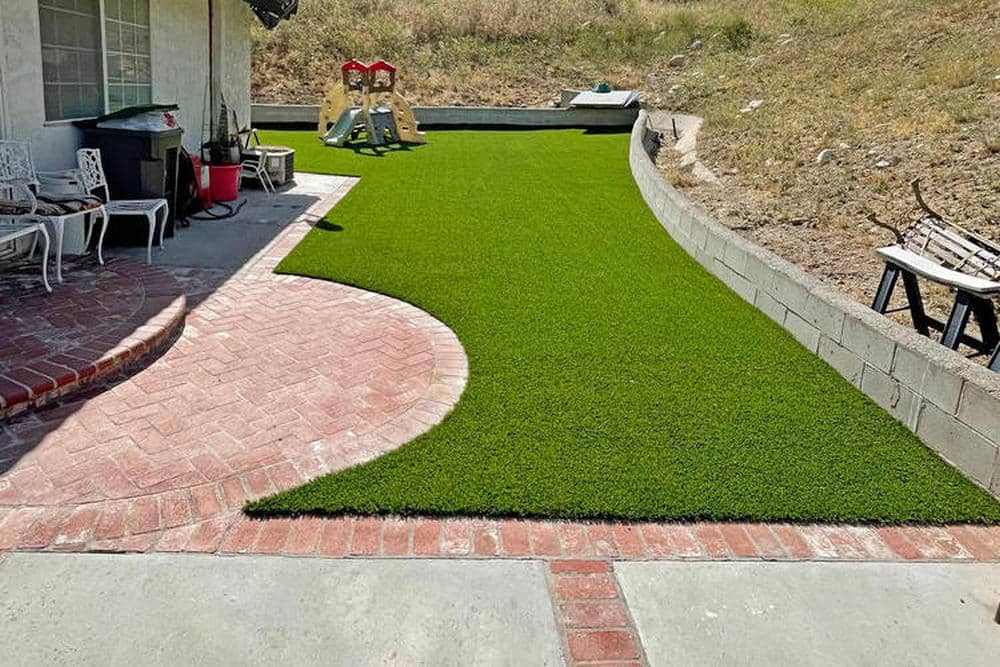
Retaining walls are not purely decorative features; they often require reinforcement and compliance with local building standards. Depending on the height and location of your wall, you may need geogrid reinforcement, proper setbacks, and, in some cases, permits. If you proceed without checking these requirements, you could face fines, mandatory reconstruction, or insurance complications. Reinforcement materials, when installed correctly, anchor the wall into the soil and distribute pressure more evenly. Without them, taller walls become especially vulnerable to movement. You also need to consider how the wall integrates with surrounding features like patios, driveways, and artificial turf areas. Poor alignment or improper connections can create drainage issues or weaken adjacent structures. When you rely on guesswork or hire an inexperienced installer, you put your property at risk. A retaining wall should enhance your landscape, not create ongoing stress or liability. Proper planning, engineering awareness, and careful execution make the difference between a lasting structure and a costly mistake.
Choose Professional Installation for Strength and Peace of Mind
If you are considering a retaining wall for your property, understanding these common DIY pitfalls helps you make a more informed decision. You want a structure that reliably supports your landscape, protects against soil erosion, and complements your outdoor design. By working with experienced professionals, you avoid drainage failures, unstable foundations, and structural weaknesses that can develop over time. With Eternal Turf & Pavers, you receive expert evaluation, proper base preparation, effective drainage planning, and precise installation techniques designed for long-term performance. When you’re ready to move forward with a retaining wall built for lasting strength and confidence, call Eternal Turf & Pavers at (619) 400-7749 or request a free consultation online to discuss artificial turf solutions and outdoor upgrades designed to integrate seamlessly with your retaining wall project.