
A Strong Yard Starts With What You Cannot See
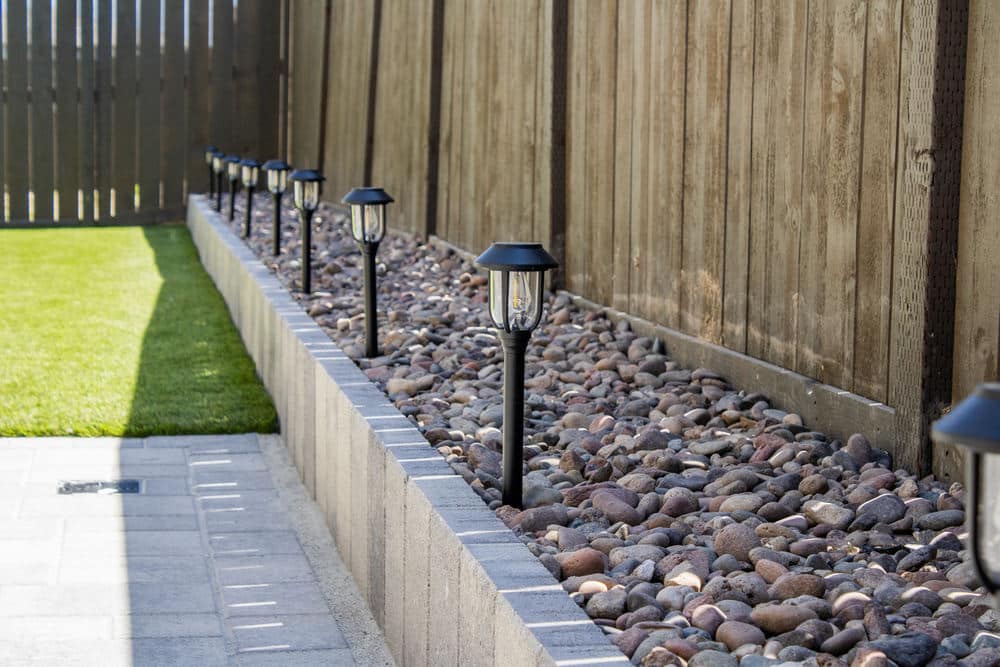
When your retaining wall starts leaning, cracking, or separating, it is rarely “random.” Most of the time, something beneath the surface is working against you, and the warning signs show up after months or years of pressure. Water, soil movement, and shortcuts during installation can slowly push a wall past its limit. That is why it helps to think about your landscape as one connected system. What you do above the wall affects what happens behind it. If you constantly water a natural lawn, deal with muddy areas, or fight runoff, you may be adding moisture and weight to soil that already wants to shift. Artificial turf can be a better choice for this exact reason. It gives you a clean, finished look without the daily irrigation that keeps soil saturated and heavy. Plus, turf systems are built on a compacted base with drainage in mind, which supports more predictable water flow around your hardscape. When you want your outdoor space to stay sharp and stable, it pays to reduce the conditions that commonly lead to retaining wall failure.
Poor Drainage Creates Pressure That Your Yard Cannot Ignore
Poor drainage is one of the fastest ways to shorten the life of a retaining wall. When water collects behind the wall, it builds hydrostatic pressure that pushes outward with increasing force. Even if your wall looks fine at first, that pressure can cause bulging, shifting, and cracking over time. You may notice puddling near the base, damp soil that never dries, or sections of the wall that look slightly out of line. Natural grass can make this worse because it often requires frequent watering to stay green, and excess irrigation can send water straight into the soil behind the wall. Artificial turf helps you cut back on that constant moisture. Since turf does not need daily watering, you lower the amount of water soaking into the ground near the wall. A properly installed turf system also includes a stable base and drainage layers that help water move through and away, instead of sitting where it causes trouble. If you want less runoff, fewer soggy zones, and a yard that stays usable after rain, turf supports drainage control in a way natural grass rarely can.
Inadequate Base Preparation Leads to Sinking, Leaning, and Early Failure
A retaining wall needs a solid foundation, and if the base is rushed or poorly built, the wall may start to settle unevenly. This can lead to visible gaps, cracks between blocks, and a forward tilt that gradually becomes worse. Inadequate base preparation often means the trench was not excavated properly, the gravel layer was too thin, or the soil was not compacted to support the load. You might also see the area near the wall sink, which can change drainage patterns and push even more water toward the structure. Natural lawns tend to hide these issues until the ground becomes uneven enough to notice, and repeated watering can soften soil and speed up settling. Artificial turf works differently because the installation process requires correct grading and compaction from the start. That is a benefit for long-term stability. When your surface is installed over a properly prepared base, you reduce shifting soil and help the area around the wall stay more consistent. You also avoid regrading, reseeding, and overwatering cycles that can keep the ground loose and unstable.
Incorrect Wall Height for the Soil Load Turns Small Issues Into Big Ones
If a wall is built too tall for the soil and slope conditions, the pressure behind it can exceed what it was designed to hold. This can happen when the wall is installed without proper engineering for the height, soil type, drainage needs, and what sits above it. The higher the wall, the more weight and force it must resist, especially when the soil becomes wet and heavy. You may see bowing, leaning, or a top edge that looks like it is slowly pulling forward. Landscaping choices matter here because they influence how much water ends up in that soil. A natural lawn often demands regular irrigation, and in warm weather you may water even more, which adds moisture and weight behind the wall. Artificial turf can be a better match for walls that need consistent soil conditions because it reduces irrigation dramatically. With turf, you keep the space green without constantly soaking the ground. That helps the soil stay more predictable and reduces the “heavy wet soil” effect that increases pressure. Turf also allows you to manage runoff more intentionally, so water does not repeatedly flow toward the same stressed point along the wall.
Low-Quality Materials or Improper Installation Can Undo Everything
Even a well-planned wall can fail if the materials are weak or the installation is sloppy. Low-quality blocks, missing reinforcement, poor backfill choices, or skipped drainage components can all lead to cracking and shifting. Over time, joints can separate, sections can tilt, and the wall can lose its ability to hold back soil safely. The same quality standard applies to your turf installation, too. Cheap turf or rushed installation can lead to lifting seams, uneven edges, or drainage problems that send water in the wrong direction. High-quality turf paired with expert installation gives you a stable, finished surface that does not break down into mud, bare patches, or ruts the way natural grass can. Turf also holds up under foot traffic and pets without creating worn paths that channel runoff toward your wall. When your yard surface stays consistent and your drainage is handled correctly, you reduce the everyday conditions that put stress on retaining walls. In other words, better materials and correct installation support both the look of your yard and the stability of the structures in it.
Build With Long-Term Stability, Not Short-Term Looks
At Eternal Turf & Pavers, you benefit from expert installation that prioritizes long-term stability over surface appeal. Your stone wall is built with careful planning, proper base preparation, reliable drainage, and precise placement, giving you a structure that performs as well as it looks. This same attention to detail carries through every project, helping you create outdoor spaces that remain functional and attractive year after year. When you are ready to invest in quality craftsmanship and dependable results, call (619) 400-7749 or request a free consultation online to discuss stone wall solutions and artificial turf upgrades designed for lasting strength and confidence.