

Outdoor comfort and accessibility rarely happen by accident. Both result from deliberate decisions made well before any material touches the ground. A qualified landscape architect company evaluates how people move through, rest within, and interact with outdoor spaces at every design stage. That evaluation covers surface materials, shade provision, accessible route gradients, drainage management, and the placement of every functional element on the site. Without that structured process, outdoor spaces often feel disconnected, uncomfortable, or difficult to navigate for many users. This article explains how smart landscape design addresses comfort and accessibility together. It also covers why a professional approach consistently produces better results than improvised solutions on any property.
Why Outdoor Comfort Begins With Site Analysis
Comfort in an outdoor space depends on conditions that exist before the first paving stone goes down. Sun exposure, wind direction, existing slope, and soil behavior all directly influence how a finished space feels. Therefore, a thorough site analysis always precedes the design process on every project a landscape architect company takes on.
Understanding Microclimate Conditions on Your Property
Every property contains microclimates. A microclimate is a localized area with distinct temperature, wind, and humidity conditions that differ from the broader surrounding environment. For example, a north-facing courtyard stays cool and shaded throughout much of the day. A south-facing patio, by contrast, collects heat from afternoon sun for several hours each day. A landscape architect company maps these microclimate conditions across the full site before producing any design concept. That mapping directly informs where shade structures, seating areas, planting zones, and open surfaces should go. Placing a seating area in a zone that bakes under afternoon sun guarantees the space stays empty regardless of how attractive it looks visually. Consequently, microclimate analysis prevents that outcome before the design begins at all.
How Slope and Drainage Affect Outdoor Usability
Usability also depends heavily on how a site manages water movement. A yard or courtyard that pools water after rainfall becomes inaccessible and unsafe for pedestrians until the water clears. Furthermore, trapped water beneath hardscape surfaces saturates the base material and causes paving to shift or heave over time. A landscape architect calculates existing drainage gradients across the property and designs corrections accordingly. This work may involve regrading specific sections of the yard. It may also require installing French drains beneath surface layers or adding channel drains along the edges of paved areas. Getting drainage right from the start protects every comfort element the design creates afterward.
How a Landscape Architect Company Designs for Accessibility
Accessibility is not an optional design consideration for most properties. Federal guidelines and local building codes establish specific requirements for outdoor pathways, surface conditions, and grade transitions. A professional landscape architect company incorporates these requirements into the structural design from the very beginning. Retrofitting a space to meet accessibility standards after installation costs far more than building it correctly the first time. Therefore, integrating accessibility from the start protects property owners from costly regulatory corrections down the road.
Accessible Route Design and Surface Specifications
An accessible route must maintain specific dimensional and gradient standards throughout its full length. The running slope of an accessible path must not exceed five percent at any point. The cross slope must stay at or below two percent throughout the entire route. Surface texture also matters significantly for all users who travel the path daily.
Smooth, stable, and slip resistant surfaces support safe movement for users with mobility aids, strollers, or limited physical ability. Interlocking concrete pavers with tight polymeric sand joints deliver a stable and accessible surface. They also handle drainage effectively across a range of slope conditions. Large format concrete works well in formal entry areas where seamless and cleanable surfaces suit the design intent most appropriately. A professional team specifies the correct surface material for each pathway zone based on gradient requirements, drainage needs, and expected traffic type throughout the property.
Grade Transitions and Step Design
Grade transitions present the greatest accessibility challenge on properties with meaningful slope changes. Where the site grade drops beyond what a ramp can accommodate, steps become necessary design elements. However, those steps must follow specific riser and tread proportions to remain safe for all users at every hour of the day. A landscape architect designs step geometry with a maximum seven-inch riser height and a minimum eleven-inch tread depth. Proper handrail placement and slip resistant nosing on each tread also contribute to safe navigation across the full site. Furthermore, a contrasting surface finish on step edges improves visibility for users with reduced eyesight. These details may appear minor individually. Together, however, they determine whether outdoor grade transitions feel intuitive and safe or uncertain and hazardous for everyone who uses them.
Outdoor Space Planning That Prioritizes Human Comfort
Effective outdoor space planning organizes an outdoor environment around how people actually use it. The most common planning mistake treats outdoor spaces as leftover areas rather than designed environments with specific functional purposes. A professional approach identifies every user group and defines how each group interacts with the space differently. The design then addresses each zone to serve those behaviors correctly and comfortably throughout every season of the year.
Shade Structure Placement and Solar Analysis
Shade provision ranks among the most important comfort factors in San Diego’s outdoor environment. Without adequate shade, outdoor spaces remain unusable during the hottest parts of the day for most of the year. Consequently, a landscape architect performs a solar analysis as part of the outdoor space planning process before finalizing any layout. That analysis identifies sun angles at different times of day and across different months of the year. The team then positions shade structures, pergolas, and planted canopy trees to cover zones where people sit or gather during peak heat hours. A shade structure placed even slightly outside the optimal location may fail to cover the primary seating area during the hottest afternoon period. Therefore, solar analysis replaces guesswork with precision in every shade placement decision the team makes throughout the design process.
Surface Material Selection for Thermal Comfort
Surface materials absorb and emit heat at different rates depending on their composition and color. Dark colored concrete and asphalt absorb significantly more solar radiation than light colored paving or natural stone materials. On a hot San Diego afternoon, dark paving surfaces reach temperatures well above the ambient air temperature outside. That radiated heat makes surrounding seating areas uncomfortable and uninviting for extended outdoor use throughout the day.
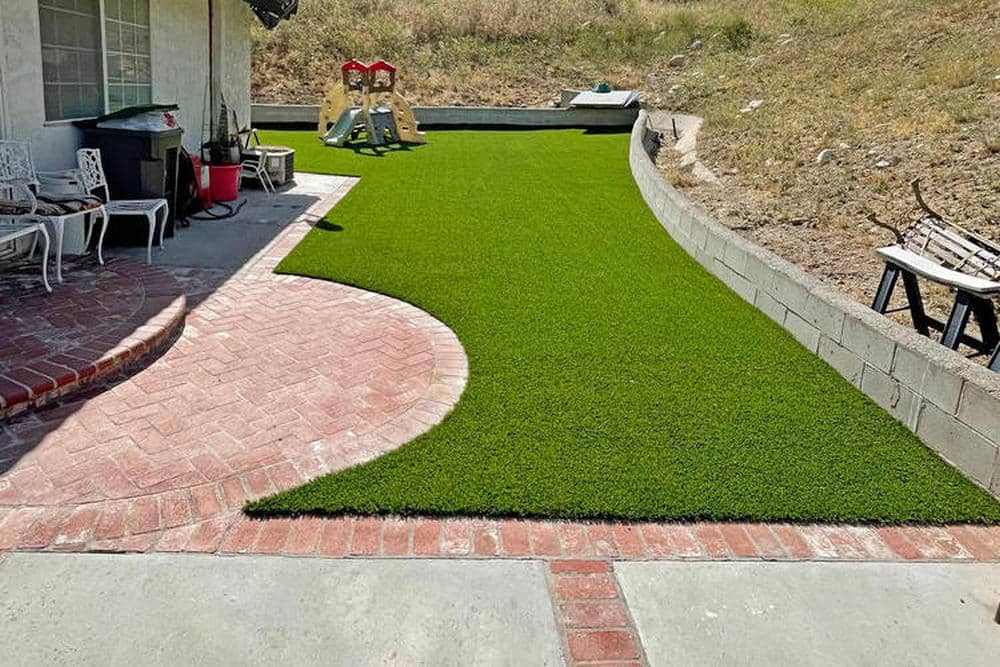
A landscape architect selects paving materials with appropriate solar reflectance values for each zone on the site. Lighter colored concrete pavers, decomposed granite, and certain natural stone varieties offer better thermal performance in sun-exposed areas. Additionally, incorporating artificial turf into shaded zones provides a soft and cooler alternative surface that contrasts comfortably with surrounding hardscape. Artificial turf also reduces heat buildup in zones where children and pets spend the most time during outdoor activities.
Outdoor Living Space Design That Enhances Daily Use
Truly successful outdoor living space design creates environments people return to consistently rather than spaces they admire briefly and then avoid. Achieving that result requires more than selecting attractive materials for each surface. It demands a deep understanding of how structural elements, sensory conditions, and spatial organization interact to produce genuine comfort over time. A landscape architect company brings all three disciplines together into one coordinated design process for every project it manages.
Designing for Acoustic Comfort Outdoors
Acoustic comfort in outdoor spaces receives very little attention in standard residential planning. However, it plays a significant role in whether a space feels pleasant or unpleasant during extended use. A seating area adjacent to a busy road or an air conditioning unit produces constant background noise that undermines outdoor relaxation quality noticeably. Planting dense shrub masses between the seating area and the noise source reduces that intrusion significantly. Additionally, masonry seating walls provide both structural function and effective acoustic buffering when properly positioned in the layout. The sound of water from a fountain or waterfall feature introduces a masking effect that covers unwanted background noise naturally and consistently. A landscape architect considers these acoustic factors during the layout phase and positions every element to maximize sensory comfort throughout each primary use zone.
Lighting Design for Safety and Extended Usability
Outdoor spaces serve their full purpose only when they remain usable after dark. Professional outdoor living space design incorporates a layered lighting strategy that addresses safety, navigation, and atmosphere simultaneously throughout the property. Path lighting at a low mounting height illuminates walking surfaces without creating glare for approaching users from any direction. Step lighting integrated into riser faces marks grade transitions clearly and reduces the risk of falls at night. Feature lighting directed at planting, walls, or architectural elements creates depth and visual interest throughout the space after sunset.
At Eternal Turf and Pavers, the lighting services team integrates outdoor lighting directly into the landscape design plan at the construction drawing stage. That integration ensures conduit routes and fixture positions appear on construction drawings before any surface goes down permanently on the site. As a result, the finished lighting installation looks intentional and functions correctly without disrupting any completed surface.
Seating and Social Space Layout
The layout of social and seating zones determines how people gather and interact within an outdoor space. Seating placed in a single long row discourages conversation and creates an impersonal atmosphere for everyone present. Curved or angled arrangements that place people at roughly ninety to one hundred twenty degrees to each other naturally facilitate comfortable group conversation instead. A landscape architect designs outdoor seating geometry based on established proxemics principles that define the spatial distances people prefer in different social contexts. Social seating zones typically work comfortably at a conversation distance of four to eight feet between individuals. Intimate seating arrangements for two people function well at a somewhat closer distance than larger group configurations. These principles may seem subtle in isolation. However, they determine whether people using the space feel comfortable and connected or stiff and disengaged during every outdoor gathering.
How a Landscape Architect Company Integrates Comfort and Structure
Design quality alone does not guarantee a comfortable and accessible outdoor space. The execution of the design must translate every technical decision from drawings into finished construction with full precision. When design and construction stay with the same team, that translation happens without the information loss that separate parties consistently introduce into a project.
Maintaining Technical Precision Through Construction
A landscape architect company that manages both design and construction maintains full accountability for technical precision at every stage of the project. The team that designs the drainage gradients also supervises their installation in the field directly. The team that specifies the accessible route surface also confirms the installed surface meets the specified standards before moving forward. Furthermore, when site conditions reveal something unexpected during excavation, the design team resolves the issue with full design context available immediately. This integrated approach produces finished spaces that consistently perform the way the design intended from the first day of use. For further reading on how careful planning produces lasting results, the post on why custom yard design matters explains why site-specific decisions outperform generic approaches on every property type.
Coordinating Structural and Comfort Elements Together
Comfort elements and structural systems must coordinate closely to function correctly in every zone of the property. Shade structure footings must avoid underground drainage infrastructure wherever both systems share the same zone. Seating wall footings must not cross irrigation sleeve routes planned for future planting areas around them. Step lighting conduit must route through base layers before paving surfaces go down permanently across the entire site. None of these coordination challenges resolve themselves without a team that understands the full design simultaneously and completely.
Moreover, pavers and concrete surfaces in comfort zones must align with the drainage gradients established during the site analysis phase earlier in the process. You can also learn more about the structural discipline that professional installation demands in the post about why stone wall stability depends on expert installation.
Why Every Property Owner Benefits From Professional Landscape Architecture Services
Many property owners attempt outdoor improvements without professional guidance and encounter avoidable problems as a result. Surfaces crack or settle within a few years. Drainage paths block or redirect incorrectly after the first heavy rainfall. Shade structures end up in the wrong position relative to peak sun hours. These are not random outcomes. They result directly from skipping the structured analysis and planning process that professional landscape architecture services provide to every client they serve.
A qualified landscape architect company brings training, site assessment tools, and construction experience together into one unified and coordinated process. That process protects every dollar invested in the outdoor environment and ensures the finished space serves daily life purposefully. Furthermore, professional landscape architecture services add long term value to the property well beyond immediate comfort improvements for the current occupants. Well planned and properly installed outdoor environments increase assessed property values in San Diego’s competitive real estate market consistently over time.
Eternal Turf and Pavers operates as a licensed landscape architect company serving residential and commercial clients throughout San Diego County. Every project begins with a complete site analysis and a detailed design that addresses comfort, accessibility, drainage, and structural performance together as one unified plan. The same team that develops your design builds every element on site from start to final walkthrough. To schedule your free consultation, call Eternal Turf and Pavers at (619) 400-7749 or visit the contact page to submit a request online at any time.
Frequently Asked Questions
Q: How does a landscape architect company evaluate outdoor comfort conditions before designing a space?
A: A landscape architect company conducts a site analysis that maps microclimate zones, sun angles, wind direction, and drainage patterns. This evaluation determines where to position shade structures, seating areas, and surface materials to support genuine comfort throughout every season of use.
Q: What surface specifications support accessible outdoor pathways on residential and commercial properties?
A: Accessible pathways require a maximum five percent running slope and a two percent cross slope throughout. Surfaces must remain stable, firm, and slip resistant at all times. Interlocking pavers with polymeric sand joints and large format concrete both satisfy these requirements when installed correctly on a compacted base.
Q: How do landscape architecture services incorporate lighting into outdoor space planning effectively?
A: Landscape architecture services route conduit and position fixture locations during the base construction phase before any surface goes down. Path lighting, step lighting, and feature lighting each receive designated positions on construction drawings. This approach delivers a cohesive lighting system throughout the finished space without disrupting completed surfaces.
Q: What acoustic strategies does outdoor living space design use to improve comfort in busy areas?
A: Dense planted masses and masonry seating walls reduce noise intrusion from adjacent traffic or mechanical equipment significantly. Water features introduce natural masking sounds that improve perceived quiet in the outdoor environment. A landscape architect positions these elements during layout to maximize acoustic comfort within every primary use zone on the site.
Q: Why does outdoor space planning address thermal comfort through material selection and color choice?
A: Surface materials absorb and emit solar heat at different rates depending on composition and color. Lighter colored pavers and natural stone reflect more heat than dark concrete or asphalt surfaces. Selecting materials with appropriate solar reflectance values keeps surfaces cooler and seating areas significantly more comfortable throughout the warmest months of the year.